
Marine
|
The first applications designed and developed for mass production date back to the early post-war period when the aluminium appeared in a number of parts of the deck and the bridges in cargo ships and military vessels.
Starting in the 60’s, aluminium spread also to passenger ships.
The first important structural applications of aluminium were found in passenger hydrofoils.
These were highly sophisticated vessels and the know-how developed during this technological experience formed a precious base for subsequent developments.
A decisive turning point in the spread of aluminium in shipping came in the early 90’s when European passenger and cargo sea transport saw a growth trend of the order of 15% per year, with peaks of 20% in Spain, Finland and Sweden between 1990 and 1997 (Eurostat, 2001). The increase in traffic and the consequent birth of a class of private operators encouraged the diffusion of a competitive logic, based essentially on limiting the running costs of vessels and especially on the ability of shipping companies to effect more journeys in less time and with reduced consumption. In this competitive scenario, the demand for new vessels developed, based on high performance propulsion and on lightness.
The use of aluminium combined with the use of water-jet propulsion made it possible to create a new category of vessels, the so-called high-speed ferries, single-hulled boats or more often catamarans, made entirely of aluminium.
The same trend is noted in passenger vessels of between 30.000- 70.000 gross tonnes and in cruising ships that are often built with steel hull and superstructures in aluminium.
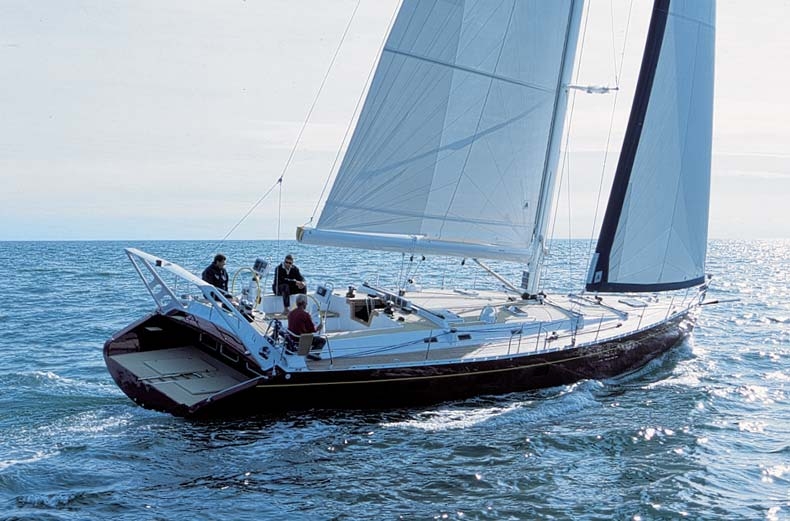
The application of aluminium in shipping extends also to other types of vessels. In fact aluminium now have a consolidated tradition lasting more than half a century in the construction of pleasure boats for sport and leisure, commercial passenger and cargo ships and military ships.
Aluminium also has interesting applications in a similar field: offshore constructions. In oil drilling platforms, a large part of the superstructures and helicopter landing pads are entirely in aluminium.
(Reference:”Aluminium for the transportation Industry” in Europe, Carmine Garzia-Edoardo Mollona, 2002, Bocconi University, Milano).